Grief doesn’t end when you leave the hospital — in many ways, that’s when it begins.
Maddison - Teddy's mum
After some time trying to conceive, we had started to wonder if it would ever happen for us. Then, during the week of our wedding in late 2024, we discovered we were expecting and shared the news with our loved ones on our big day.
On our honeymoon, we found out we were having fraternal twins. This explained my intense morning sickness- Two babies, two strong heartbeats. We were shocked , thrilled and nervous all at once, imagining the lives we would build for them. My experience working as a nanny for twins made the news feel familiar and got us so excited.
We quickly started preparing—buying two of everything: cots, car seats, bassinets, prams.
Then our world shifted.
During a routine scan, the sonographer looked at my husband and me, and said there's something seriously wrong with Twin B. We were devastated, shocked and frightened. We had so many questions, but no answers. We sat in silence for hours.
Over the following months and duration of the pregnancy, we met with many high-risk obstetricians and specialists across Melbourne and underwent regular fetal monitoring, searching for answers.
Further scans showed serious abnormalities. One specialist said he expected Twin B to pass away any day—another specialist assured us he would be born alive, although struggle to be compatible with life.
Conflicting was an understatement.
Our Twin B continued to grow, his heart beating alongside his so far healthy brother, despite many risks & concerns.
We were told the risks to my health, including the possibility of losing both babies if Twin B deteriorated or poor health affected Twin A. We transferred to a large hospital with a neonatal intensive care unit in case of early delivery.
We faced many impossible decisions. Although we were told Twin B might be incompatible with life, we also prepared for the possibility of a short, complex life with him. An amniocentesis was considered too dangerous, as it could have risked our healthy twin or triggered early labour.
In the third trimester, both babies continued to grow - still no answers, yet clear concerns for Twin Bs vital organs. We met with the palliative care team to plan and prepare for his life if he survived. It was confronting—something no parent should face.
We didn’t know if we might only have days or weeks with him or if we would meet at all. Conflicting expert opinions left us trying to prepare for every possibility. It was incredibly hard, and I felt robbed of my first pregnancy experience. An indescribable experience amongst dealing with HG Hyperemesis Gravidarum.
We watched them grow side by side on the screen, kicking, nudging, and poking each other. We loved seeing them together and hearing their heartbeats. The scans were long, with every detail of their brains and organs carefully monitored.
On 22 July 2025, our scheduled caesarean at 37 weeks brought Teddy into the world stillborn, leaving an imprint on our hearts forever.
Nothing prepares you for delivering one baby who has died while your other newborn faces challenges.
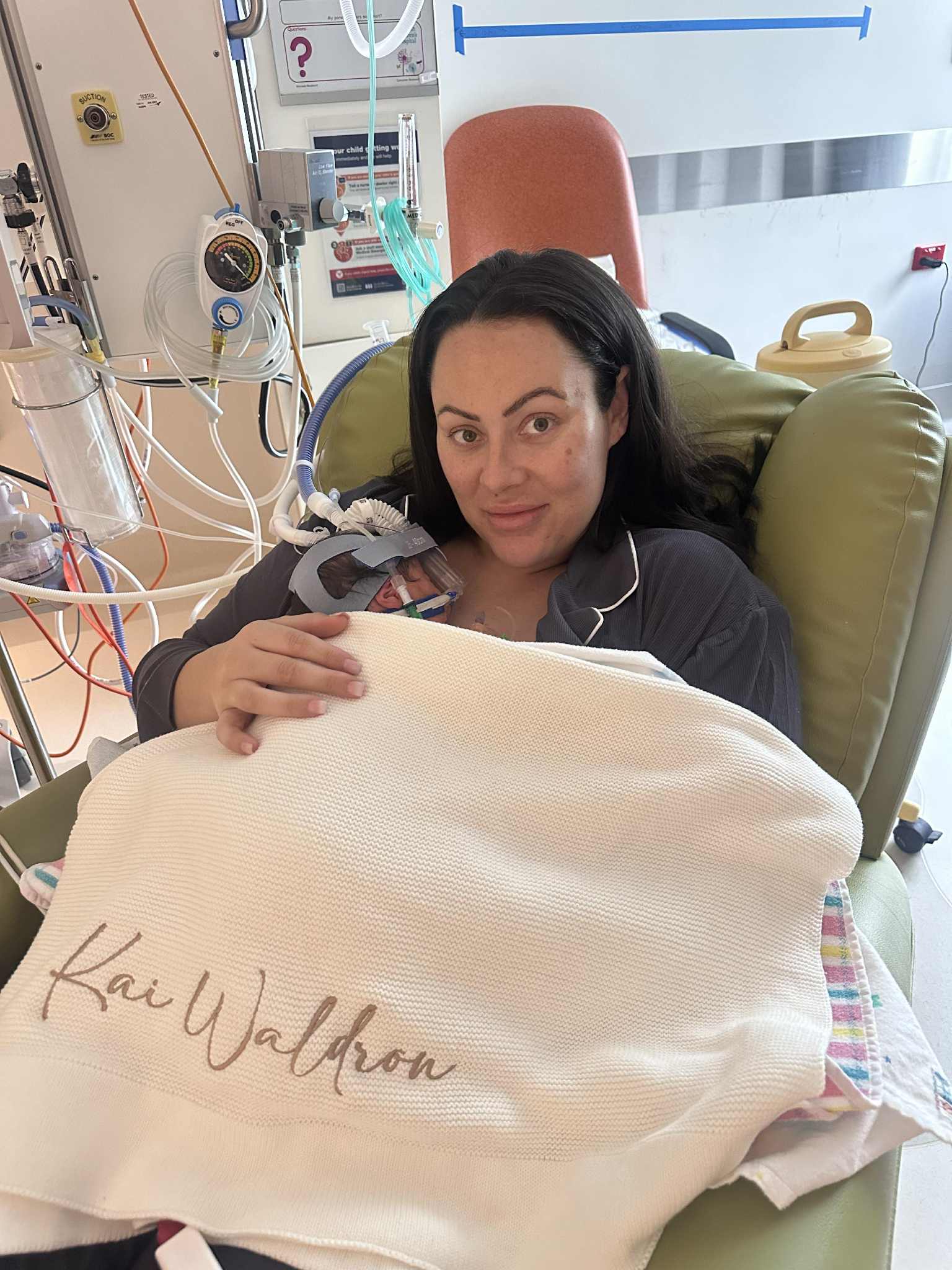
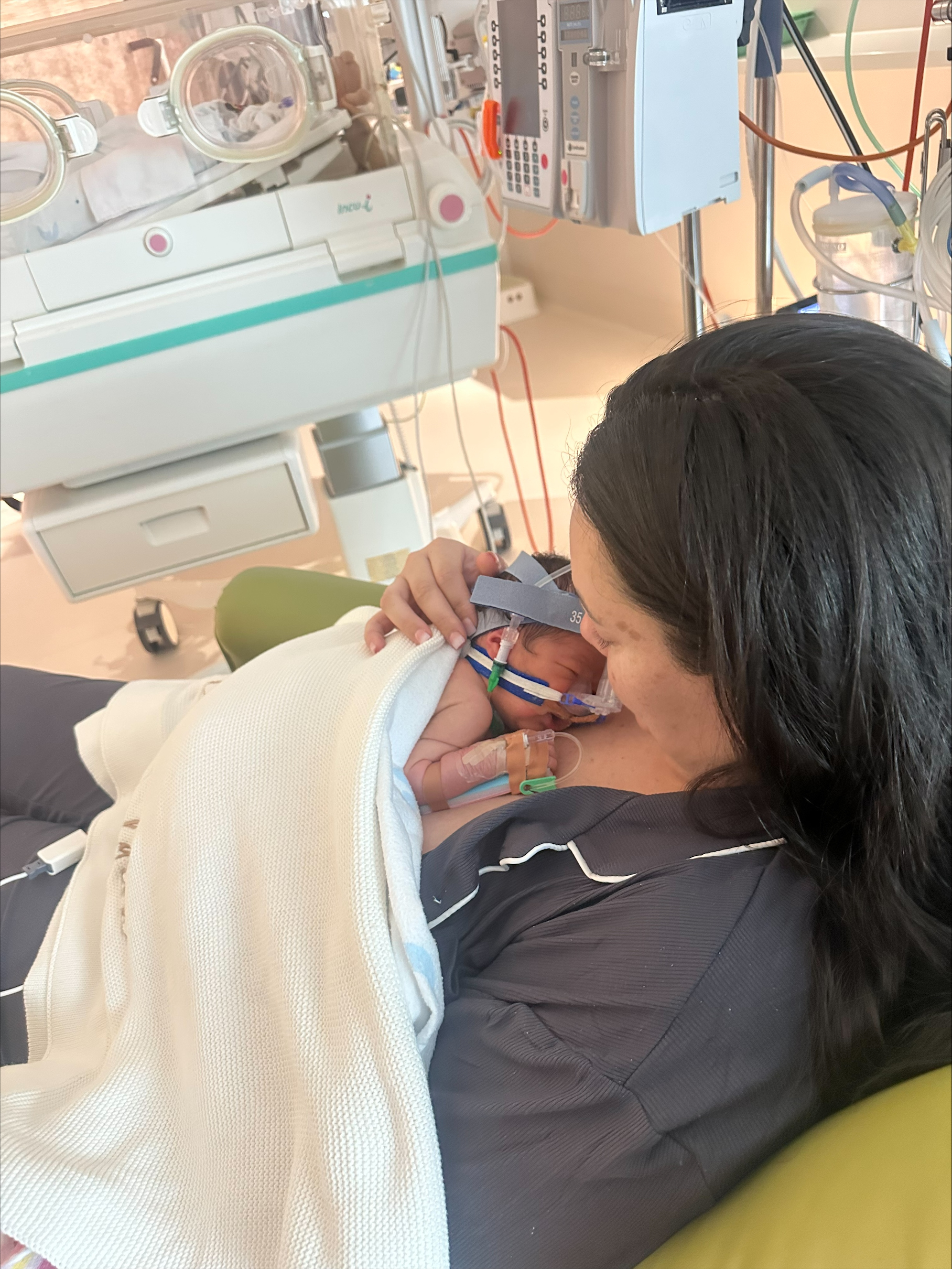
Kai, our surviving twin, was rushed to the NICU with rapidly declining health. I didn’t get any time with him; I was in a different hospital. My husband stayed beside him in the NICU.
I remember being in my hospital bed, numb from grief, pumping milk for Kai. My husband ran back and forth all day and night to get my milk to him. They set up a monitor so I could watch him. All I wanted was to be with my baby.
I didn’t get to hold Kai for days. When I finally did, the nurses lifted him from his isolette for a few minutes of skin-to-skin. In that moment, the world stood still.
Eventually, I was discharged. Kai remained in NICU while Teddy underwent an autopsy.
Coming home to our empty house—one baby passed, one still fighting—was one of the loneliest experiences of our lives.
The autopsy was inconclusive—a hard pill to swallow, but we know this: all Teddy knew was love.
After Teddy's autopsy, we chose to donate a small part of Teddy to research, hoping it may help other families one day.
Bringing Kai home 10 days later was incredibly hard. As special as it was, I couldn’t shake the nerves. Kai was no longer being closely monitored, but that meant it was all on us.
Within weeks, Kai faced more hurdles: emergency surgery at four and a half weeks old, and a week-long readmission with a serious infection at six weeks and a half weeks old.
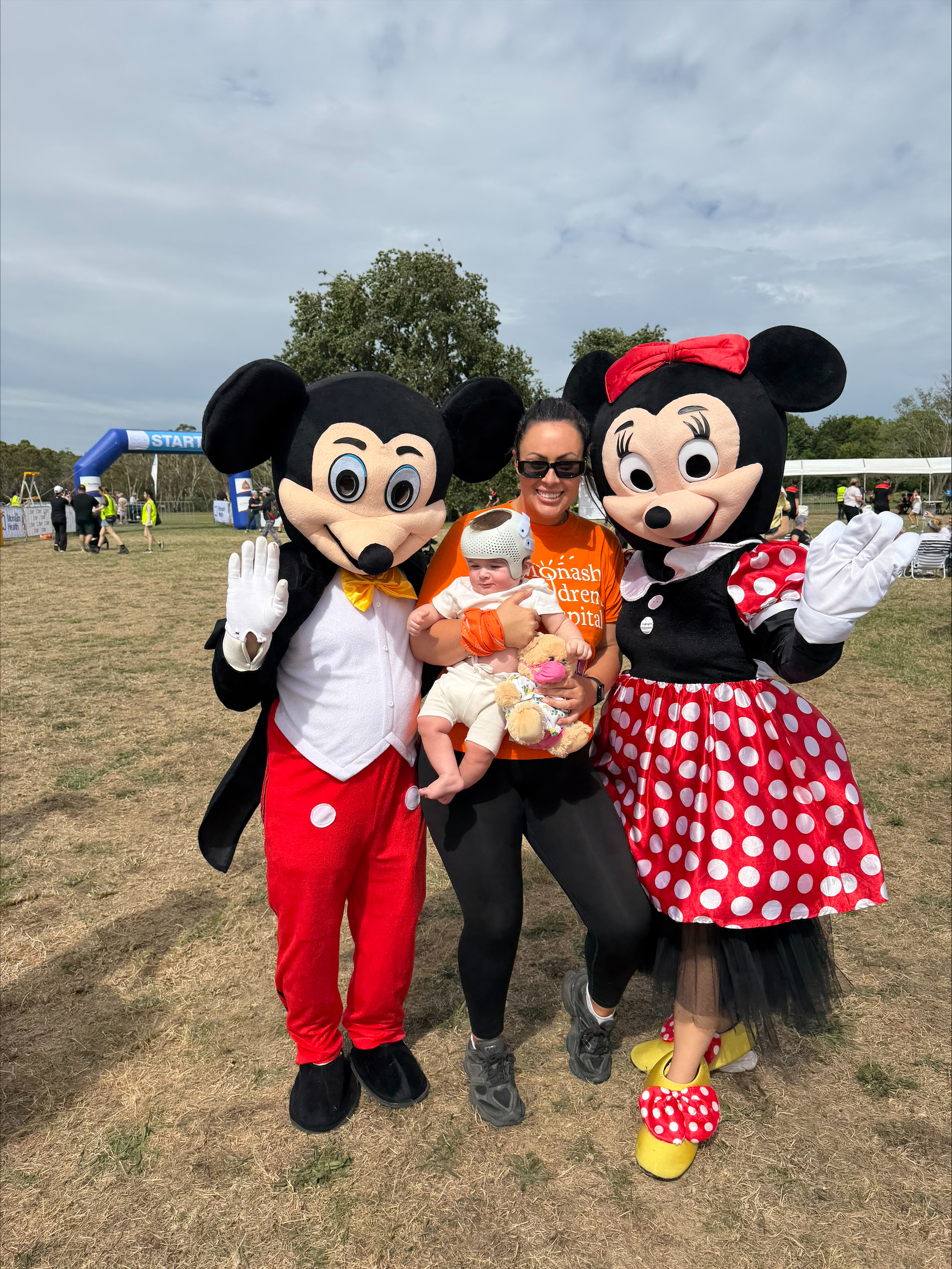
He is here now. He is happy, healthy, strong, and we are so grateful and enjoying every moment of life we can with him.
Throughout our darkest days, Red Nose supported us with regular counselling and grief support.
In the months that followed, I worked closely with my psychologist and Red Nose counsellor to process the trauma, grief, and complexity of raising a surviving twin while mourning another.
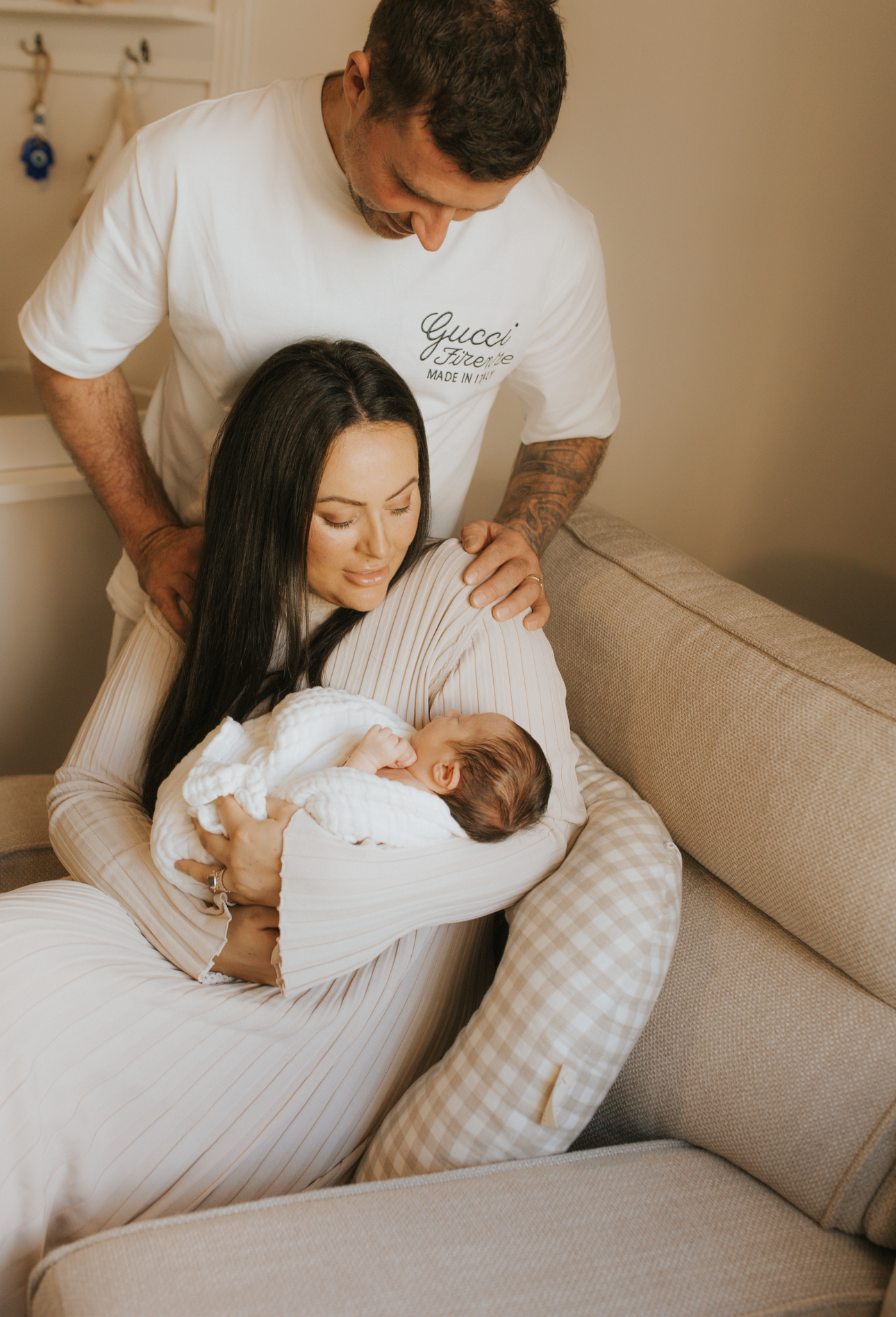
Teddy’s ashes are now at home with us. We speak about him every day. Kai will grow up knowing he is a twin, and we believe Teddy watches over him.
Red Nose has helped us navigate the unimaginable—not just the moment of loss, but the months after, when the world expects you to move forward. My support worker has also experienced a similar loss, which helped me connect with her on a deeper level. Luke and I will never forget the support we received from those who were truly there for us.
We are a family of four. Teddy will always be Kai’s twin.
We count our lucky stars every day that Kai is here and healthy, and we will never ever forget our beautiful son Teddy. Life is short and precious; we just want to enjoy what matters most—our little family.
Say Their Name Day is on March 25 – a special day to remember all of the little lives we have loved and lost, and support bereaved families.
Help us to support bereaved families by making a donation today